

Antibiotic Resistance: A Growing Threat to Global Health
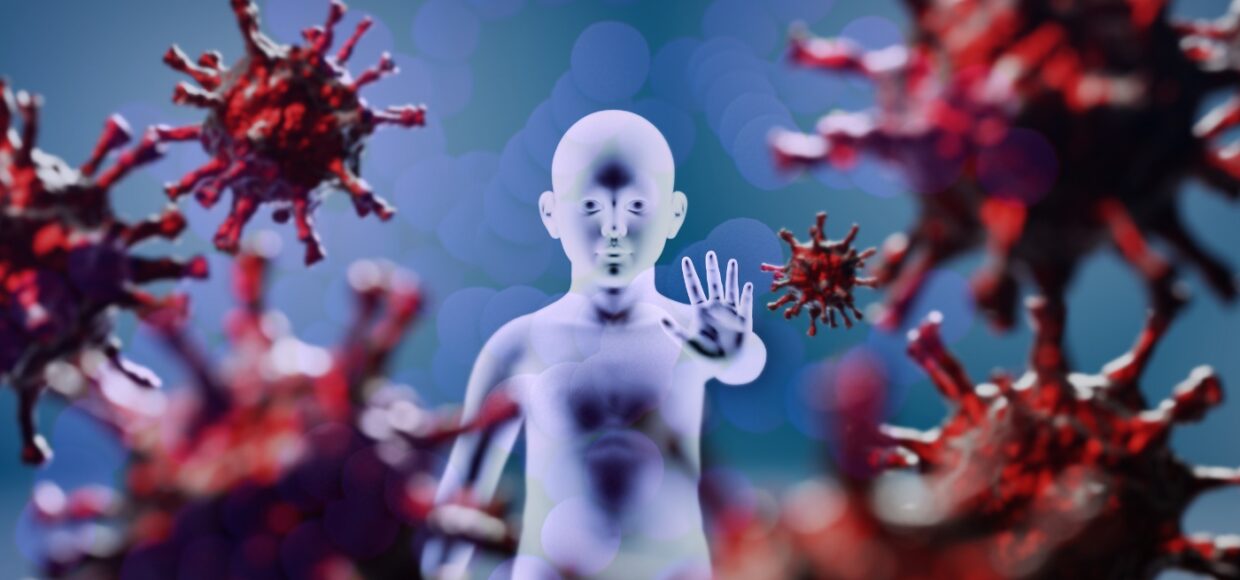
Antibiotics have saved millions of lives since their discovery, but their power is now under threat. Antibiotic resistance is one of the most urgent health challenges of our time. Bacteria are adapting and becoming stronger, making common infections harder to treat. Without action, simple illnesses could once again become life-threatening.
What Is Antibiotic Resistance?
Antibiotic resistance happens when bacteria change in ways that make the drugs used to kill them less effective. Instead of being destroyed, the bacteria survive, multiply, and continue to cause infection. This resistance is not about the human body becoming resistant—it is the bacteria that develop defenses against antibiotics.
Causes of Antibiotic Resistance
Several factors drive the rise of resistant bacteria:
- Overuse of antibiotics – Taking antibiotics when they are not needed, such as for viral infections like colds or flu.
- Incomplete courses – Stopping antibiotics early gives bacteria a chance to survive and adapt.
- Misuse in agriculture – Antibiotics used in livestock can promote resistant bacteria that spread to humans.
- Poor infection control – Lack of hygiene and sanitation allows resistant strains to spread quickly.
Why Antibiotic Resistance Matters
Resistant infections can lead to:
- Longer illnesses that are harder to treat
- Higher medical costs due to stronger or more expensive treatments
- Increased deaths from once-treatable infections
- Greater risk during medical procedures such as surgery, chemotherapy, or organ transplants
According to the World Health Organization, antibiotic resistance is already responsible for hundreds of thousands of deaths every year.
Examples of Resistant Bacteria
Some well-known resistant bacteria include:
- MRSA (Methicillin-resistant Staphylococcus aureus)
- Drug-resistant Tuberculosis (TB)
- E. coli strains resistant to fluoroquinolones
- Carbapenem-resistant Enterobacteriaceae (CRE)
These bacteria make hospital infections especially dangerous and difficult to control.
How to Prevent Antibiotic Resistance
While the problem is serious, there are steps we can all take to slow resistance:
- Use antibiotics only when prescribed by a doctor.
- Complete the full course—even if you feel better.
- Never share or reuse leftover antibiotics.
- Practice good hygiene—wash hands, prepare food safely, and get recommended vaccines.
- Support responsible farming by choosing meat and dairy products raised without unnecessary antibiotics.
The Future of Antibiotics
Scientists are working to develop new drugs, but progress is slow and costly. Without careful use of the antibiotics we already have, even new medicines could lose effectiveness quickly. Public awareness, global cooperation, and investment in research are all essential.
Final Thoughts
Antibiotics are a cornerstone of modern medicine, but their misuse has put them at risk. By using them responsibly and supporting global efforts, we can help preserve their power for future generations.
Remember: antibiotics save lives only if we protect their effectiveness today.
